
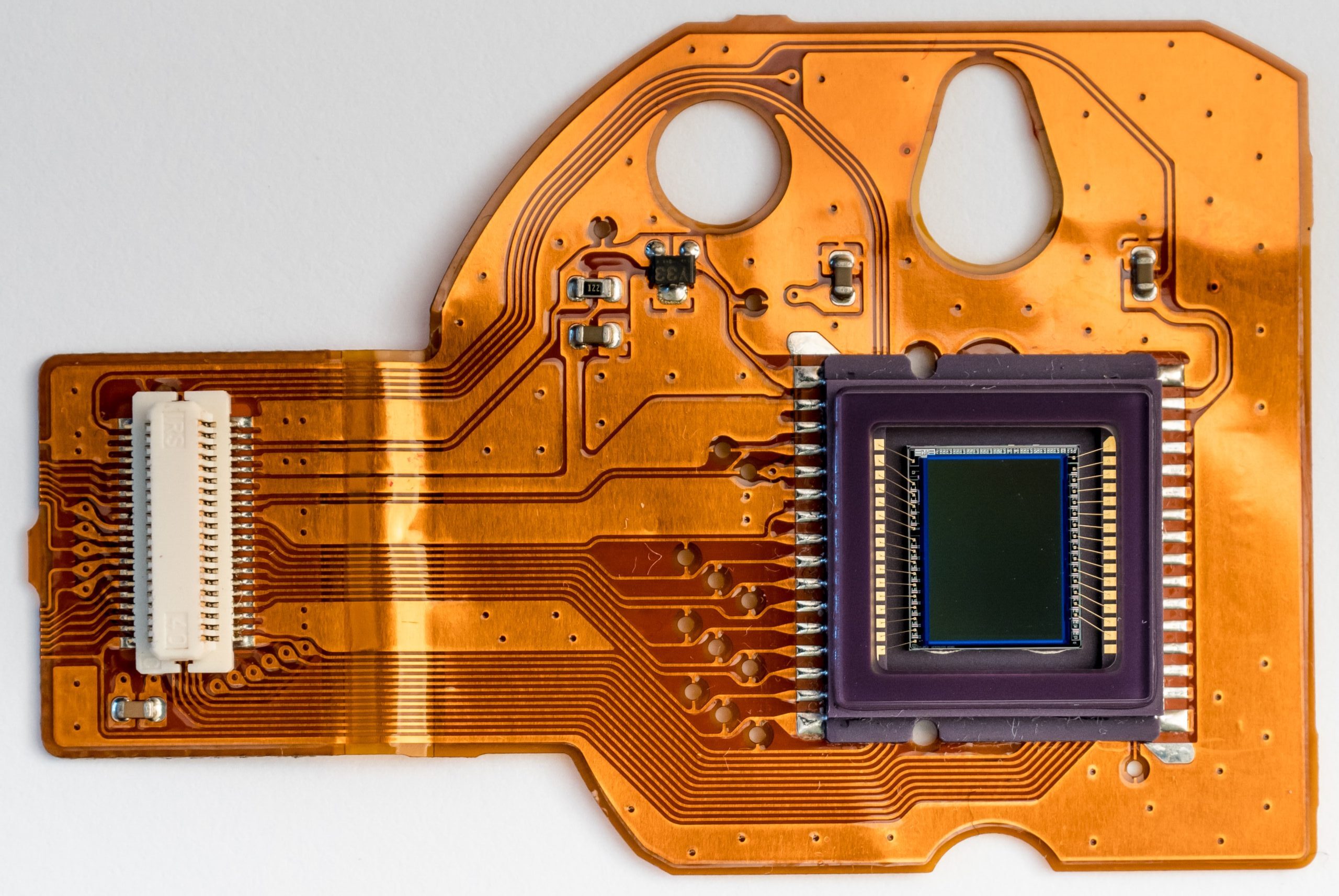
PNP Sensors
A crucial innovation in the realm of sensing technology. The PNP sensor, also known as “Positive-Negative-Positive” sensor, stands as a cornerstone in various industries. Its ability to detect and transmit information about the presence or absence of an object with remarkable precision is revolutionizing automation, manufacturing, and beyond. In this article, we delve into the inner workings, applications, and benefits of the PNP sensor, shedding light on its pivotal role in advancing modern processes.
Types of PNP Sensors
PNP sensors, known for their invaluable role in object detection and automation, come in various types, each tailored to specific applications.
Inductive PNP Sensors
These sensors use electromagnetic fields to detect metallic objects without physical contact. Widely used in manufacturing and automotive industries, they excel in harsh environments and contribute to seamless production processes.
Capacitive PNP Sensors
Ideal for detecting both metallic and non-metallic objects, capacitive PNP sensors rely on changes in capacitance. Their versatility finds application in packaging, food processing, and even level detection in liquids.
Photoelectric PNP Sensors
Employing light beams to detect objects, these sensors come in various configurations, such as diffuse, retro-reflective, and through-beam. They are vital in conveyor systems, counting applications, and even sorting tasks.
Ultrasonic PNP Sensors
These sensors use sound waves to detect objects’ presence or distance. They find use in measuring liquid levels, detecting transparent materials, and even in robotics for obstacle avoidance.
Magnetic PNP Sensors
Leveraging magnetic fields, these sensors detect metallic objects and are often used in door and position sensing, as well as security systems.
Pressure PNP Sensors
Vital in monitoring pressure levels in various systems, these sensors ensure safety and efficiency in industrial processes, HVAC systems, and more.
Proximity PNP Sensors
These sensors detect objects without physical contact, making them suitable for applications requiring high hygiene standards, like pharmaceuticals and food processing.
solution
PNP sensors, with their remarkable ability to detect objects and trigger actions, owe their functionality to intricate scientific principles.These sensors exemplify the convergence of physics, engineering, and technology. Their design and operation are a testament to the innovative applications of scientific principles. As technology continues to advance, so does our understanding of the science behind PNP sensors, paving the way for more sophisticated and accurate detection solutions across diverse sectors.
Frequently Asked Questions (FAQs) About PNP Sensors
What is a PNP sensor?
A PNP sensor, also known as a “Positive-Negative-Positive” sensor, is a type of sensor used to detect the presence or absence of an object. It operates by sending out a signal that changes when an object enters its detection range.
How does a PNP sensor work?
PNP sensor works by emitting a signal (such as light, sound, or electromagnetic fields) and detecting changes in that signal when an object enters its detection range. The sensor then processes these changes to determine the object’s presence or absence.
What are the advantages of using PNP sensors?
PNP sensors offer several advantages, including high accuracy, quick response times, and suitability for various applications. They are also versatile and can be used in different environments, such as industrial settings or consumer electronics.
What are the applications of PNP sensors?
PNP sensors have a wide range of applications. They are used in manufacturing for quality control and automation, in automotive systems for object detection, in consumer electronics for touch sensing, and in various industries for safety and monitoring purposes.